
MENU


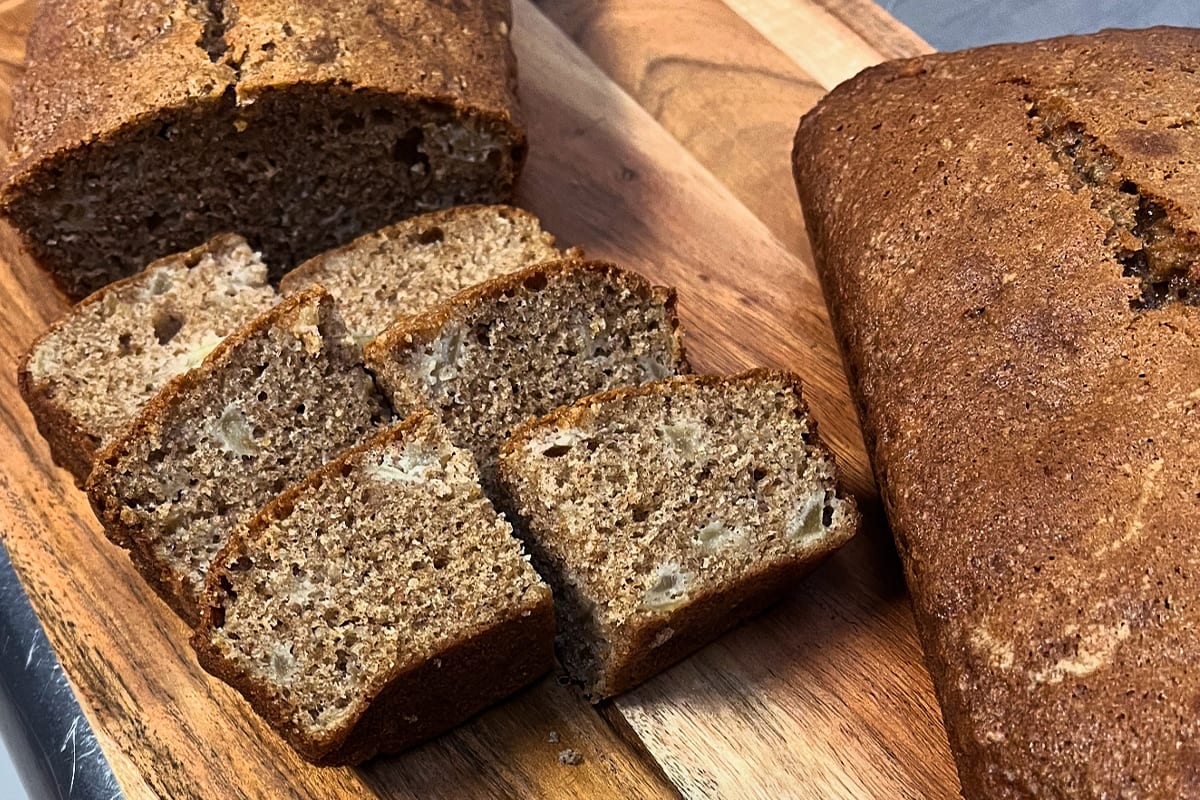
Whole grains are loaded with nutrients like B vitamins, minerals, and fiber, all necessary for children's development. Whole grains supply a useable source of fuel which helps kids have the energy they need. Eating whole grains in childhood leads to habits that provide long term health benefits. There are so many ways to eat whole grains: breads, crackers, pretzels, tortillas, bagels, rice, quinoa, chips, cookies.
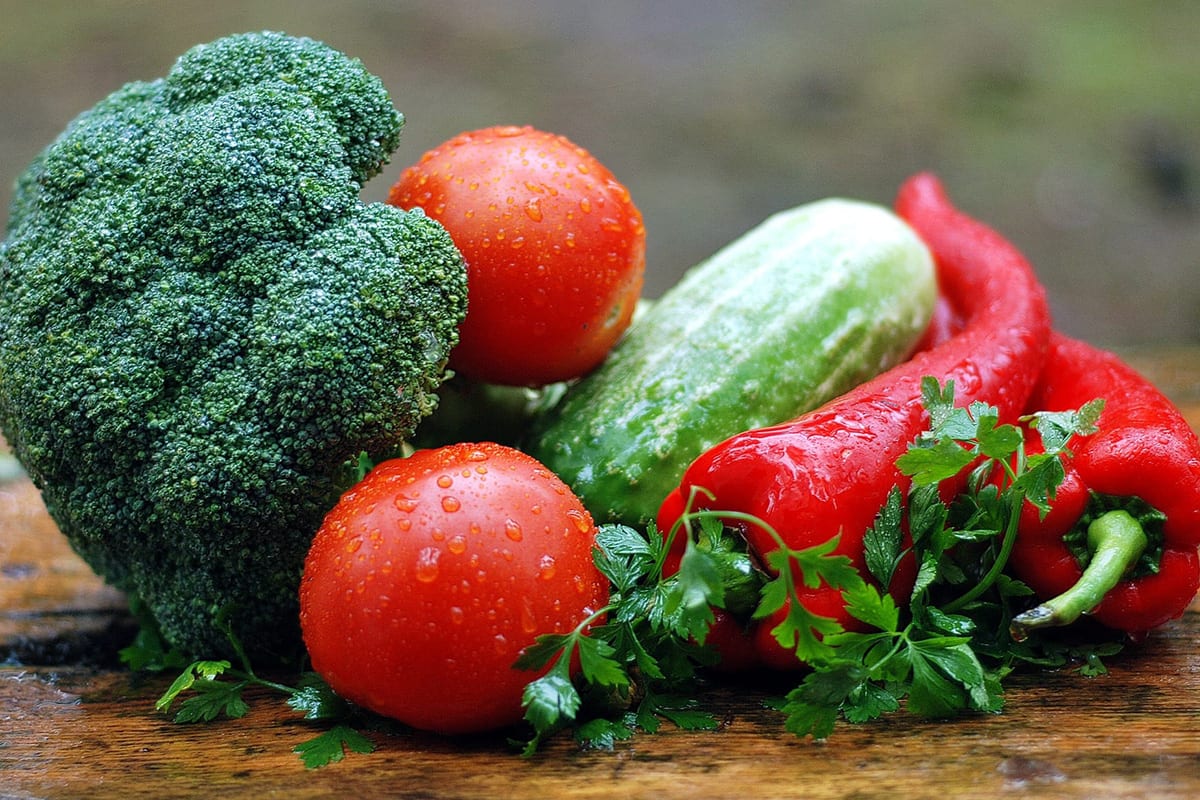
Children's growing bodies require good nutrition, and fruits and vegetables contain a multitude of vitamins, minerals and other healthy compounds. Citrus fruits and strawberries are rich in immune system-boosting vitamin C, carrots are loaded with eye-healthy vitamin A and spinach is a good source of iron, a mineral that helps prevent anemia.
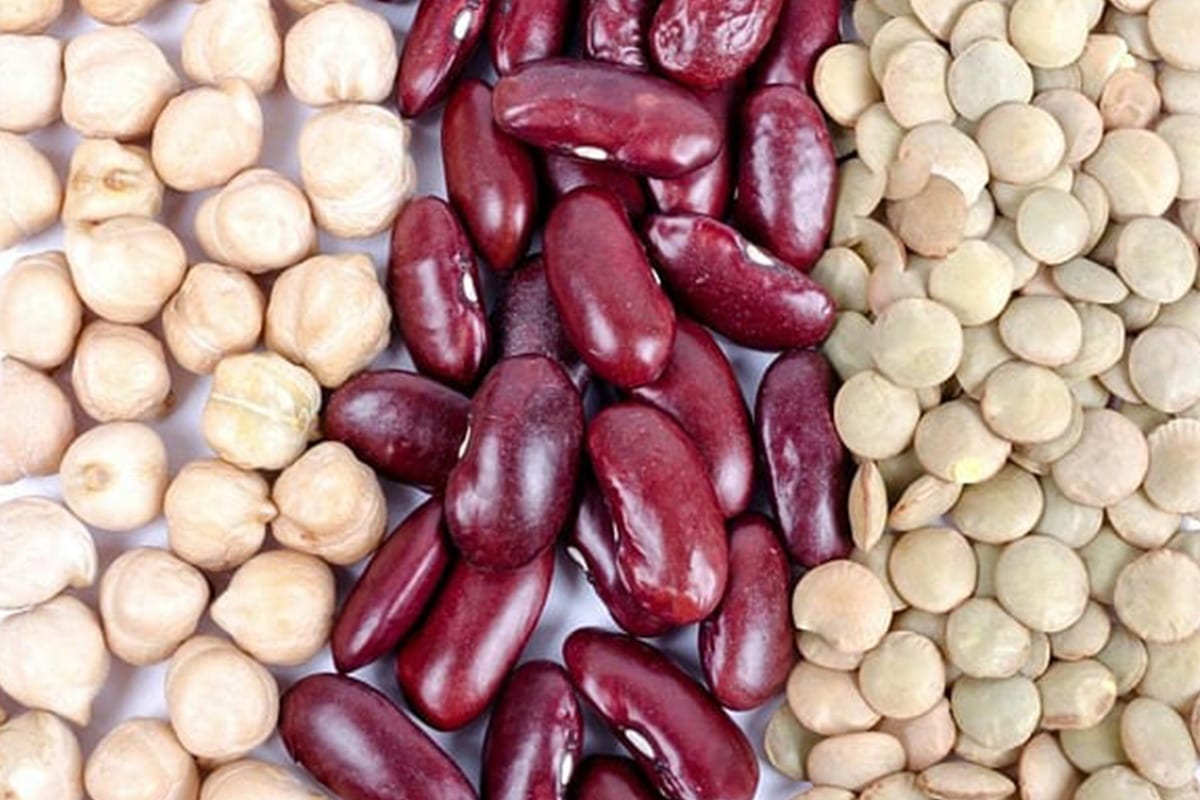
Legumes provide energy, fiber, proteins, minerals and vitamins. Folic acid and in general all vitamins of Group B. Legumes are very rich in potassium, phosphorus, calcium, and magnesium.Calcium is not found in meats therefore an advantage of legumes over meat is that they provide proteins, but with more calcium than meat.
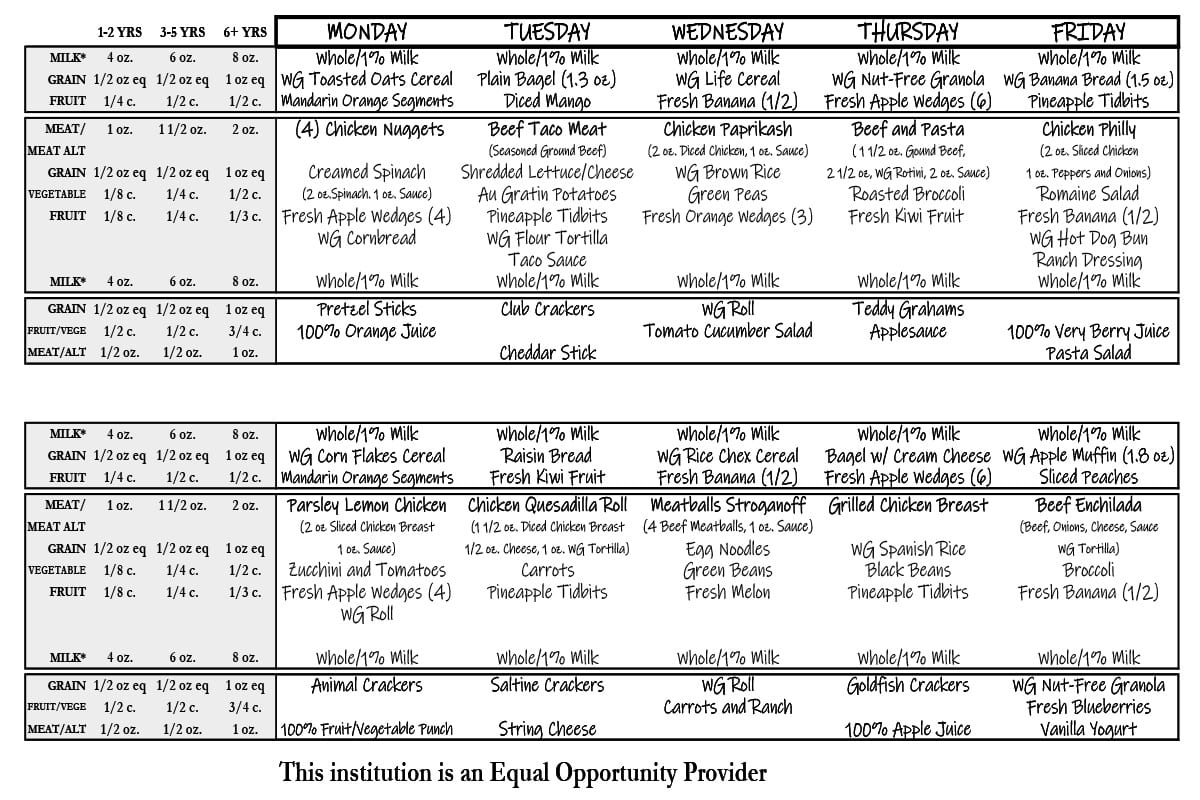

We provide fresh scratch made meals, bulk or individually packaged, from our ODA/USDA inspected production facility